

The Forgotten Techniques of Cooking: It’s time to relive them

Khevna.P.Shah, INN/Bangalore
Content Writer
The first thing anyone can think about food is the aromatic fragrance that takes you back to the time when you first ate that dish and just in time your mouth starts watering. Sure, sitting in a Michelin star restaurant, eating the aesthetically pleasing dish does sound luxurious, but have you ever eaten that authentic hand-cooked meal by your grandmother in the traditional earthen pots while she narrates her anecdotes? Cooking techniques are generally the methods of preparing and cooking food, which involves understanding the different phases of learning how to cook and even the science behind it.
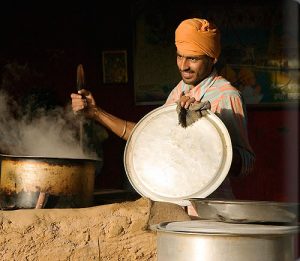
Different cultures have different methods to treat their food. Although the base techniques might be similar across the world, each culture and religion history lend its own twist to the cooking style, thus making the flavors truly unique and original. Many Indian cooking techniques have been used throughout the country for many centuries and forming a bedrock of its cuisine, giving Indian food its own identity. Many traditional techniques have been forgotten over time with the introduction of modern equipment. It’s time to dial back in time and revisit the traditional techniques.
BHUNAO
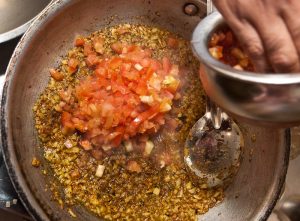
The first of them being Bhunao the ancient cooking technique involves the combination of sauteing and stir-frying the base ingredients such as onions, garlic, spices regulating it between medium and low flame releasing the aromatic fragrance gradually. The browning of the protein is another outcome of this technique, which adds a distinct colour and flavour to all the Indian curries. This technique is widely used across the country to make curry.
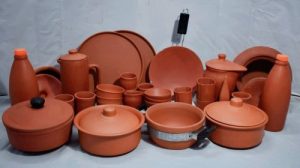
Earthen utensils.
Cooking in the earthen utensils is a practice forgotten long back. Cooking in clay pots adds Calcium, Phosphorous, Iron, Magnesium, Sulphur and several other minerals to food, being alkaline in nature, the clay pots mix well with the acetic food and balance its PH level. We often see our ancestors cooking in clay pots. In the Southern region of the country, states such as Andra, Tamil Nadu and Kerala use clay pots to cook food. During the ‘Pongal’ festival celebrated in Tamil Nadu, Pongal is cooked in the earthen pot, a tradition that has been followed for a long time. And in the Northern part, states such as Rajasthan, Punjab, and Haryana used ‘Handi’ also known as an earthen pot to cook vegetables and curry.
Bhaap (Steam).
It is one of the oldest and healthiest forms of cooking known to the human race. In India, from West Bengal to Gujarat, the Bhaap technique is used while cooking various recipes. The banana leaf is one of the most widely used medium for his technique. The uncooked food is wrapped in the fresh banana leaf and left in the steamer to cook through. Cooking with banana leaf is an art, as it is a delicate process and requires patience. A traditional dish of Gujarat, Panki is a batter made of rice flour and spices, is steamed between the banana leaf till it’s properly cooked. Even in West Bengal, fish is steamed using banana leaves.
Dum Pukht/Dum
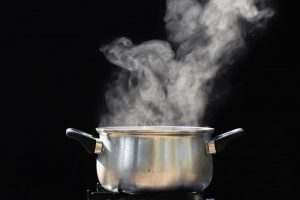
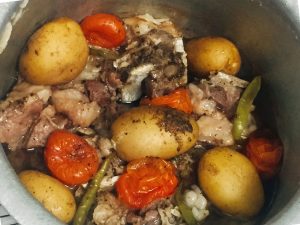
The first image comes to one’s mind, hearing the word dum is definitely Dum Biryani. A Mughalai cuisine that is enjoyed across various regions. Dum Pukht is a technique of slow-cooked food in a sealed vessel, traditionally sealed with dough. The Dum Punkth style of cooking is a valuable contribution of Awadhi cuisine, which hails from Lucknow, the Awadh region of India. The biryani and the meat recipes cooked in ‘Dum Pukht’ style are served in the Handi, with seal intact and as the seal is broken, the aroma of the spices and the ingredients that have been cooking away for hours wafts out to reveal a highly aromatic dish.
The origin, the techniques and the culture of food matters as much as the flavour, aroma and presentation do. It would be nice to stay rooted to our ancestors by using these traditional techniques and relive them once in a while.