

Nagaland University Study Unlocks Sonowal Kachari Herbal Wisdom for Affordable Healthcare and Future Drug Discovery
Indigenous Herbal Knowledge from Assam Could Shape the Future of Integrative Medicine
A groundbreaking study by Nagaland University has brought global attention to the rich ethnomedicinal traditions of the Sonowal Kachari tribe of Assam. The research documents 39 medicinal plant species traditionally used by the indigenous community and highlights their immense potential in low-cost healthcare, biodiversity conservation, and future pharmaceutical innovation.
Published in the respected Journal of Ayurveda and Integrative Medicine, the study emphasizes how traditional herbal medicine continues to serve as an affordable and accessible healthcare solution, especially in rural and underserved regions of India.
Traditional Knowledge Meets Modern Science
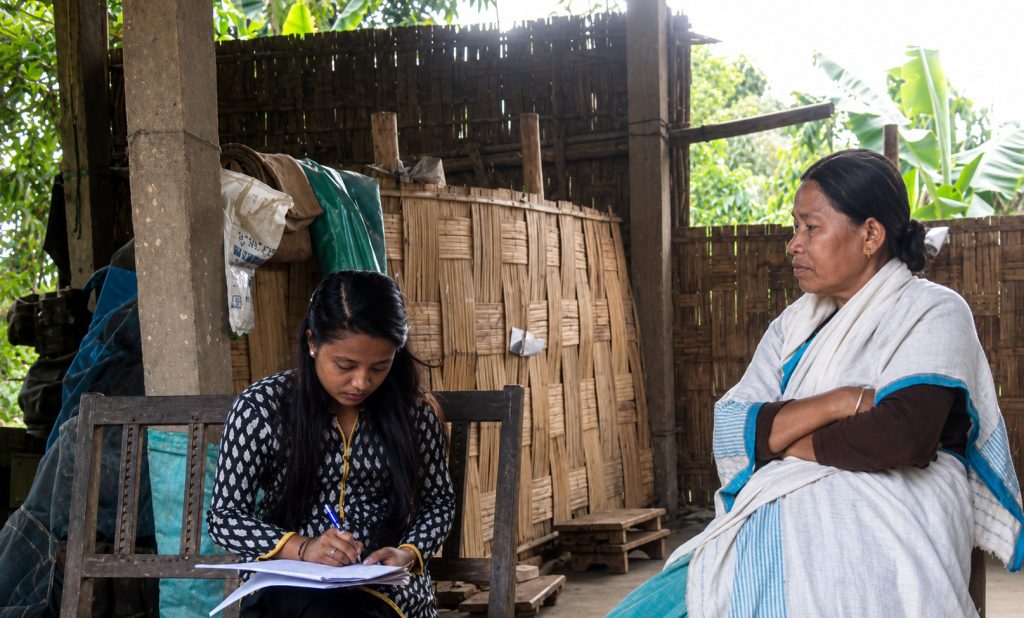
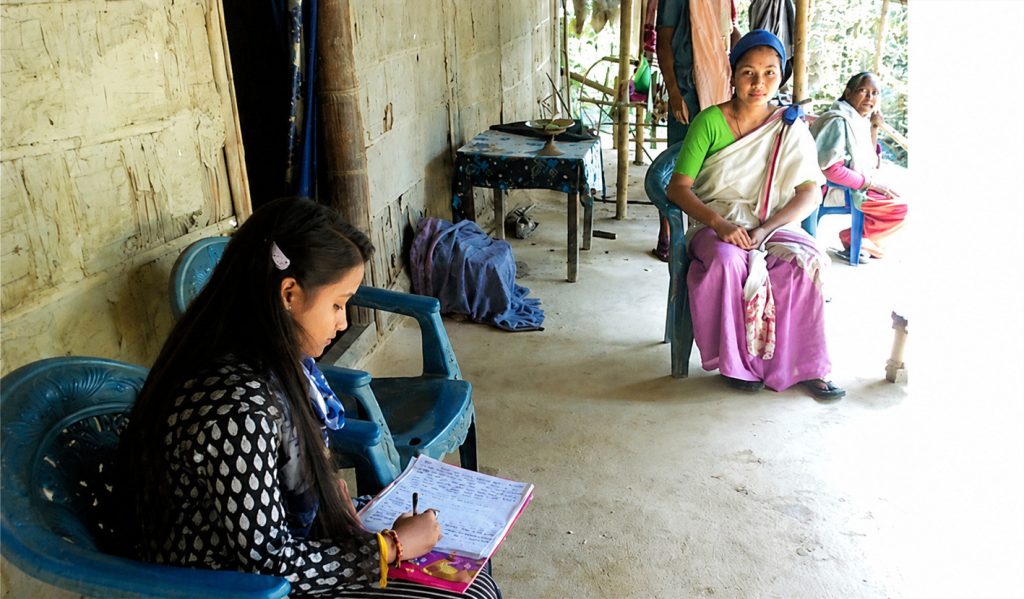
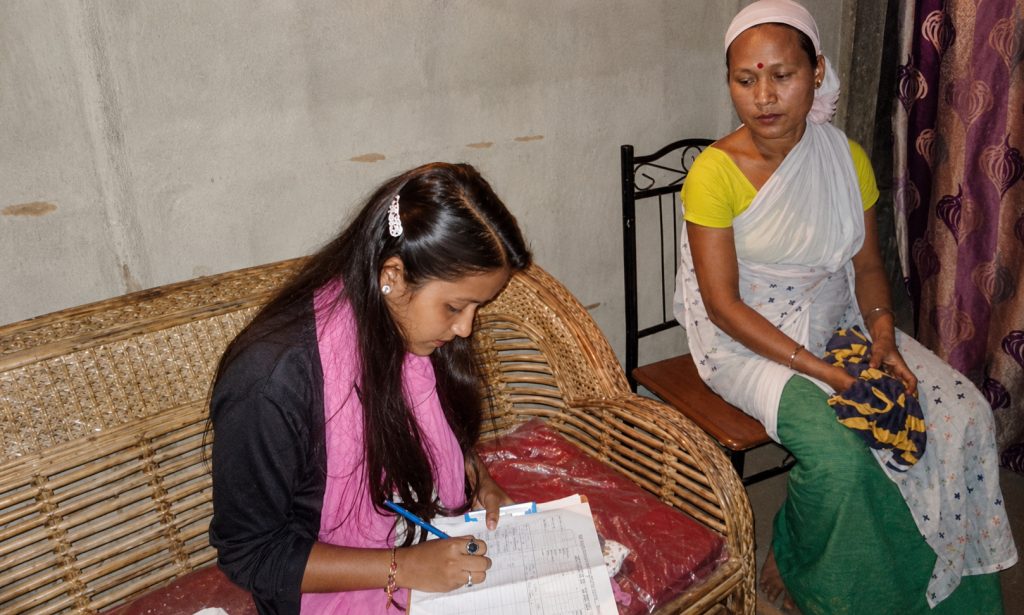
The research team engaged with 180 elderly knowledge holders from the Sonowal Kachari community to systematically document plant-based remedies that have been orally passed down through generations.
The study focused on traditional treatments used for:
- Fever
- Respiratory illnesses
- Skin disorders
- Kidney stones
- Digestive issues
- Inflammatory conditions
Researchers found that many of these herbal remedies are still actively used alongside allopathic medicine, demonstrating a growing trend toward integrative healthcare models that combine traditional wisdom with modern medical science.
Why This Research Matters
1. Affordable Healthcare for Rural Communities
One of the most important findings of the study is the continued relevance of herbal medicine in areas with limited healthcare infrastructure. Medicinal plants are often locally available, affordable, and culturally trusted, making them a vital healthcare resource for economically disadvantaged communities.
As healthcare costs continue to rise globally, traditional medicine systems are increasingly being explored as complementary healthcare solutions.
2. New Opportunities for Drug Discovery
Several medicinal plants identified in the research showed strong therapeutic relevance and may contain bioactive compounds with pharmaceutical potential.
The study opens pathways for:
- Pharmacological research
- Clinical validation
- Bioactive compound extraction
- Plant-based drug development
- Natural therapeutics innovation
Scientists believe these findings could support future discoveries in herbal pharmaceuticals and evidence-based medicine.
3. Preserving Indigenous Knowledge and Biodiversity
Researchers warned that traditional ethnobotanical knowledge is rapidly disappearing as younger generations move away from ancestral practices.
The study calls for:
- Conservation of medicinal plants
- Documentation of oral traditions
- Community-led sustainability programs
- Ethical benefit-sharing with indigenous communities
Protecting both biodiversity and indigenous intellectual heritage has become increasingly important in the era of climate change and ecological degradation.
Vice-Chancellor Highlights Importance of Indigenous Healthcare Solutions
Prof. Jagadish Kumar Patnaik stated that the study demonstrates the immense value of indigenous wisdom in advancing sustainable and affordable healthcare systems.
According to him, traditional herbal medicine remains an effective and accessible treatment option for rural populations while also opening new avenues for future medical innovation and drug discovery.
Researchers Advocate Integrative and Sustainable Healthcare Models
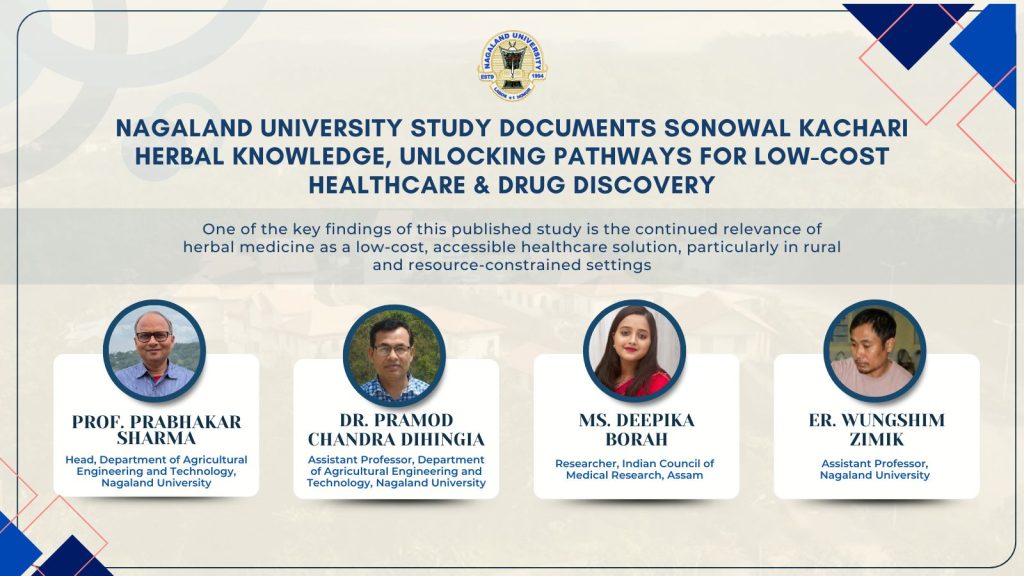
Dr. Pramod Chandra Dihingia emphasized the urgent need to preserve indigenous medicinal knowledge and medicinal plant biodiversity.
Meanwhile, Prof. Prabhakar Sharma highlighted the research potential of several documented plant species for future pharmacological studies and natural product-based therapeutics.
The study was co-authored by:
- Wungsim Zimik
- Deepika Borah
India is home to one of the world’s richest traditions of herbal medicine, including Ayurveda, Siddha, Unani, and tribal healing systems. Northeast India, known for its exceptional biodiversity, remains a major reservoir of medicinal plants and indigenous healthcare practices.
Experts believe systematic documentation of tribal medicinal knowledge can:
- Strengthen India’s healthcare ecosystem
- Support sustainable medical innovation
- Promote eco-friendly therapeutics
- Encourage community-based conservation
- Advance global natural medicine research
Future Scope of the Research
The researchers believe this study lays the foundation for interdisciplinary collaborations involving:
- Ethnobotany
- Pharmacology
- Biotechnology
- Ayurveda research
- Conservation biology
- Public health systems
Future studies may focus on laboratory testing, clinical trials, and the development of validated herbal formulations that can complement mainstream healthcare.
Conclusion
The Nagaland University study on Sonowal Kachari herbal knowledge is more than an academic achievement—it is a significant step toward preserving indigenous heritage while exploring sustainable solutions for modern healthcare challenges.
By bridging ancient wisdom with scientific validation, the research highlights how traditional medicine can contribute to affordable healthcare, biodiversity conservation, and next-generation drug discovery in India and beyond.