
Sankara Nethralaya’s “Kanmanigalin Kangal 2026” Raises Awareness on Retinoblastoma and Childhood Eye Health
The event brought doctors, parents, survivors and child welfare groups together to spotlight the early warning signs of retinoblastoma, a treatable eye cancer in young children.

INN/Chennai, @Infodeaofficial
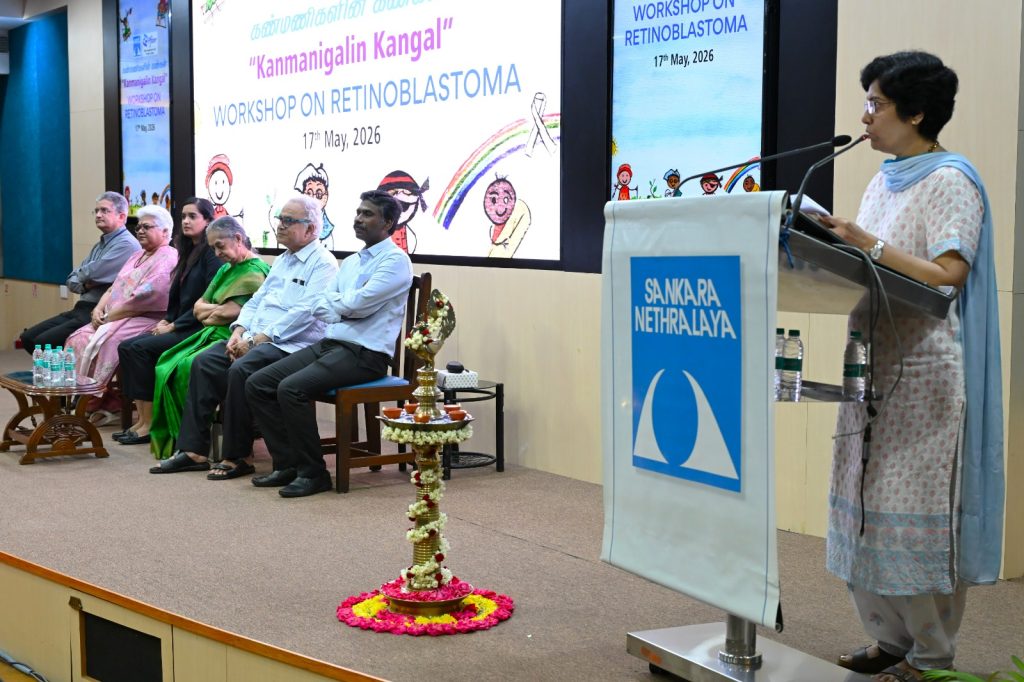
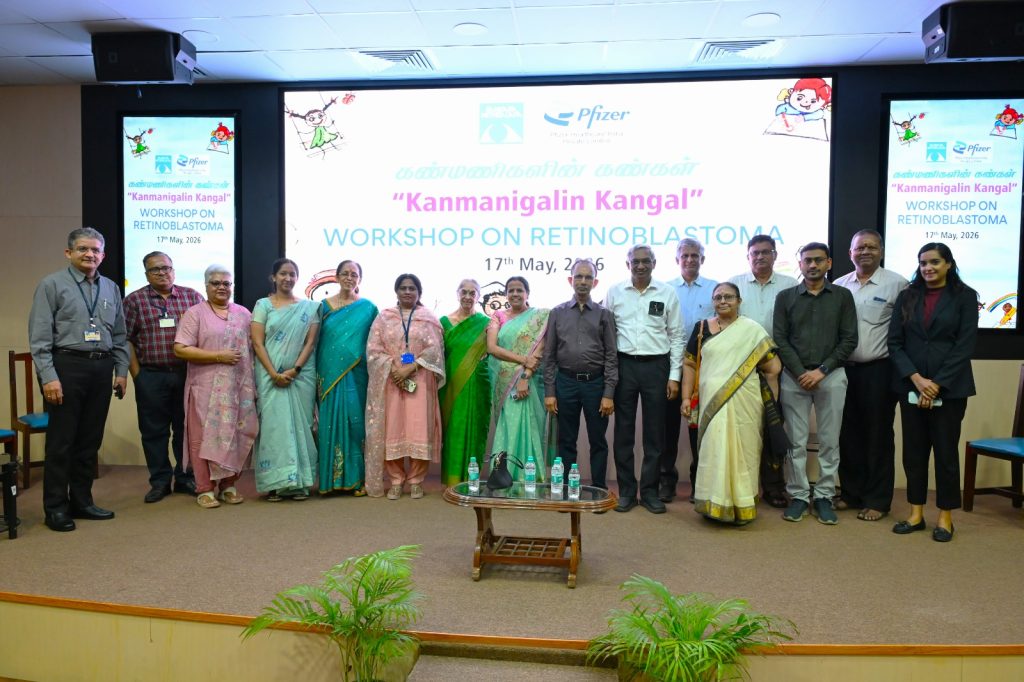
Sankara Nethralaya marked a meaningful public health initiative with “Kanmanigalin Kangal 2026,” an awareness programme focused on retinoblastoma, a rare but treatable childhood eye cancer. Held on May 17, the event also celebrated childhood cancer survivors and highlighted the importance of early detection, timely treatment and family support.
Retinoblastoma is most commonly seen in children below the age of 2 to 3 years, making awareness among parents and caregivers especially important. One of the earliest clues can often be seen in photographs taken with flash. In a healthy eye, the pupil usually shows a red reflex, but a white reflex may signal an abnormality that needs urgent medical attention. In India, about one in 15,000 children is born with the disease every year.
Early detection saves vision
The programme was designed not only for families but also for doctors across specialities, with scientific sessions on early diagnosis, recent treatment advances and complex case discussions. Doctors from 20 leading hospitals took part, reflecting the growing need for collaborative care in managing paediatric eye cancers.
Experts stressed that parents should never ignore warning signs such as a white reflex in the eye, squint, unusually large or small eye, or persistent redness. These symptoms may appear harmless at first, but in the case of retinoblastoma, quick evaluation can make a major difference in outcome.
Dr. Suganeswari Ganesan, vitreoretinal surgeon and ocular oncologist, said the core objective of the workshop was to spread awareness about the earliest signs of the disease. She recommended that children undergo an eye examination by an ophthalmologist at birth, followed by screenings at six weeks and six months of age. That simple schedule can help detect eye problems before they become more serious.





Parents, children and survivors join in
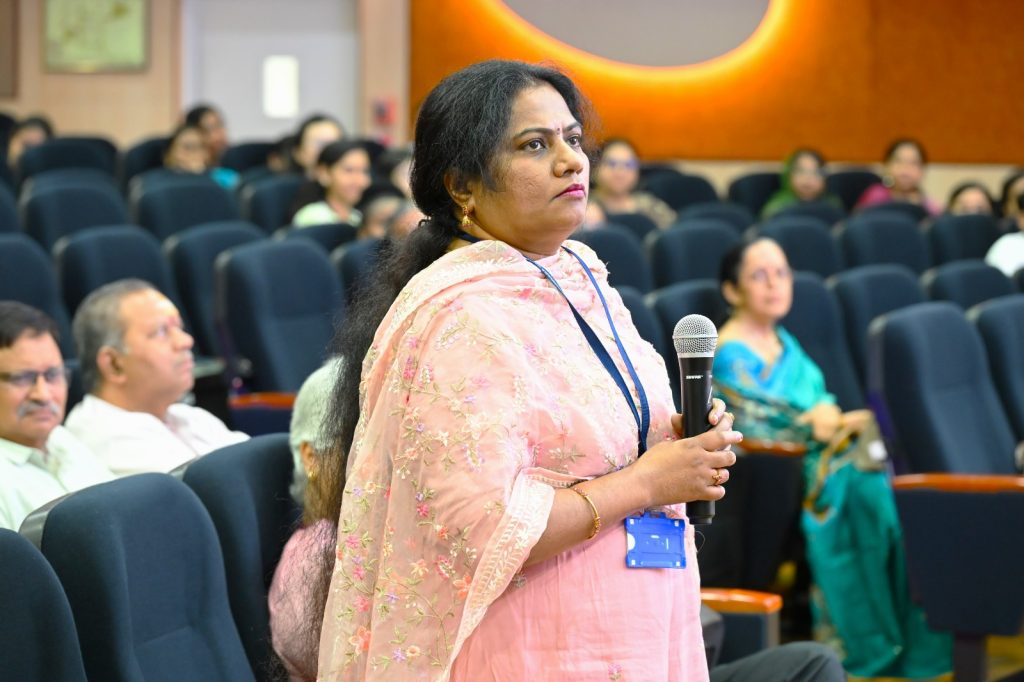
What made the event especially engaging was the involvement of parents and children in expressive art activities conducted by Golden Butterflies, helping the programme go beyond medical discussion and into emotional support and community healing. An open-house session created space for families to interact directly with multidisciplinary treatment teams and ask questions about care, recovery and follow-up.
For the first time, the event was also held in a hybrid format, allowing parents who could not attend in person to join virtually. This broader access is significant because families dealing with paediatric cancer often face travel, financial and emotional challenges. A virtual option helps more people benefit from expert guidance and peer support.
The programme concluded on an uplifting note with cultural performances by retinoblastoma survivors. Their presence offered a powerful message that early diagnosis and proper treatment can lead to positive outcomes and restored hope for families.
Strong medical and community support
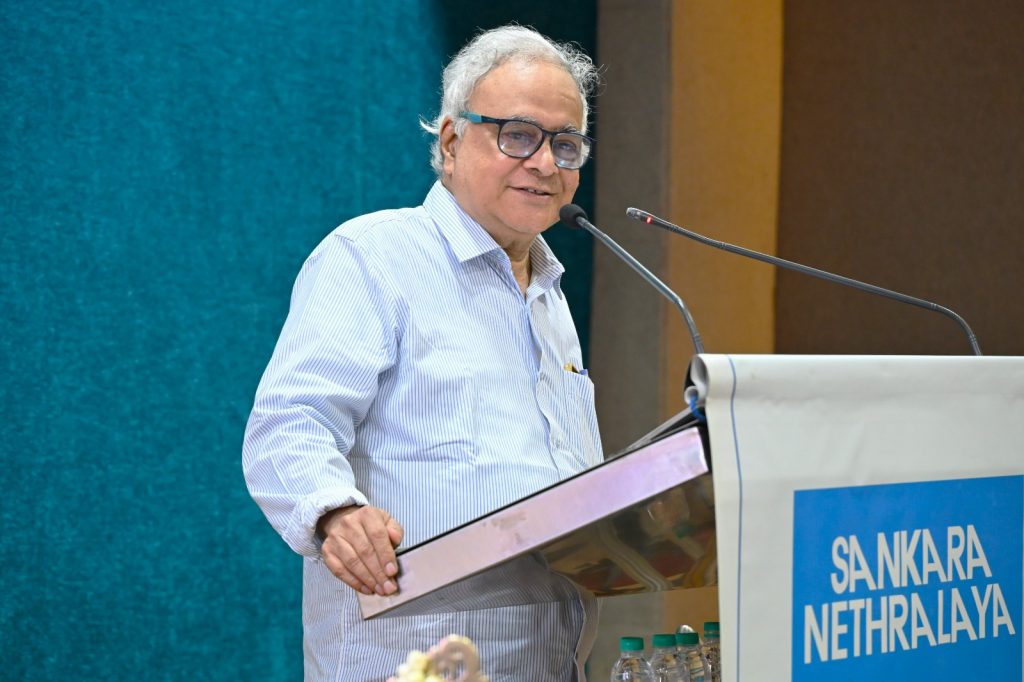
The event was inaugurated by Dr. Srinivasan, Expert Advisor, National Health Mission, along with Mrs. Stella Matthew, founder and trustee of Golden Butterflies, Mrs. Aparna Shyam, founder and trustee of TIARA Kids, and Dr. Senthil Kumar, Scientific Officer, Atomic Energy Regulatory Board. Senior leaders from Sankara Nethralaya, including Dr. T. Surendran, Chairman; Dr. Girish Siva Rao, Executive Medical Director; Dr. Muna Bhende, Director of Vitreoretina; and Dr. Dhanasree Ratra, Deputy Director of Vitreoretina, also participated and felicitated the guests.
Retinoblastoma awareness remains crucial because the disease is highly curable when diagnosed early. With the right treatment, children can often retain vision and lead healthy lives. Campaigns like Kanmanigalin Kangal 2026 play an important role in teaching families how to spot danger signs, seek timely care and support survivors with dignity.
By combining medical education, parent engagement and survivor celebration, Sankara Nethralaya’s initiative delivered a strong message: look for the white reflex, act early and save a child’s sight and life.